


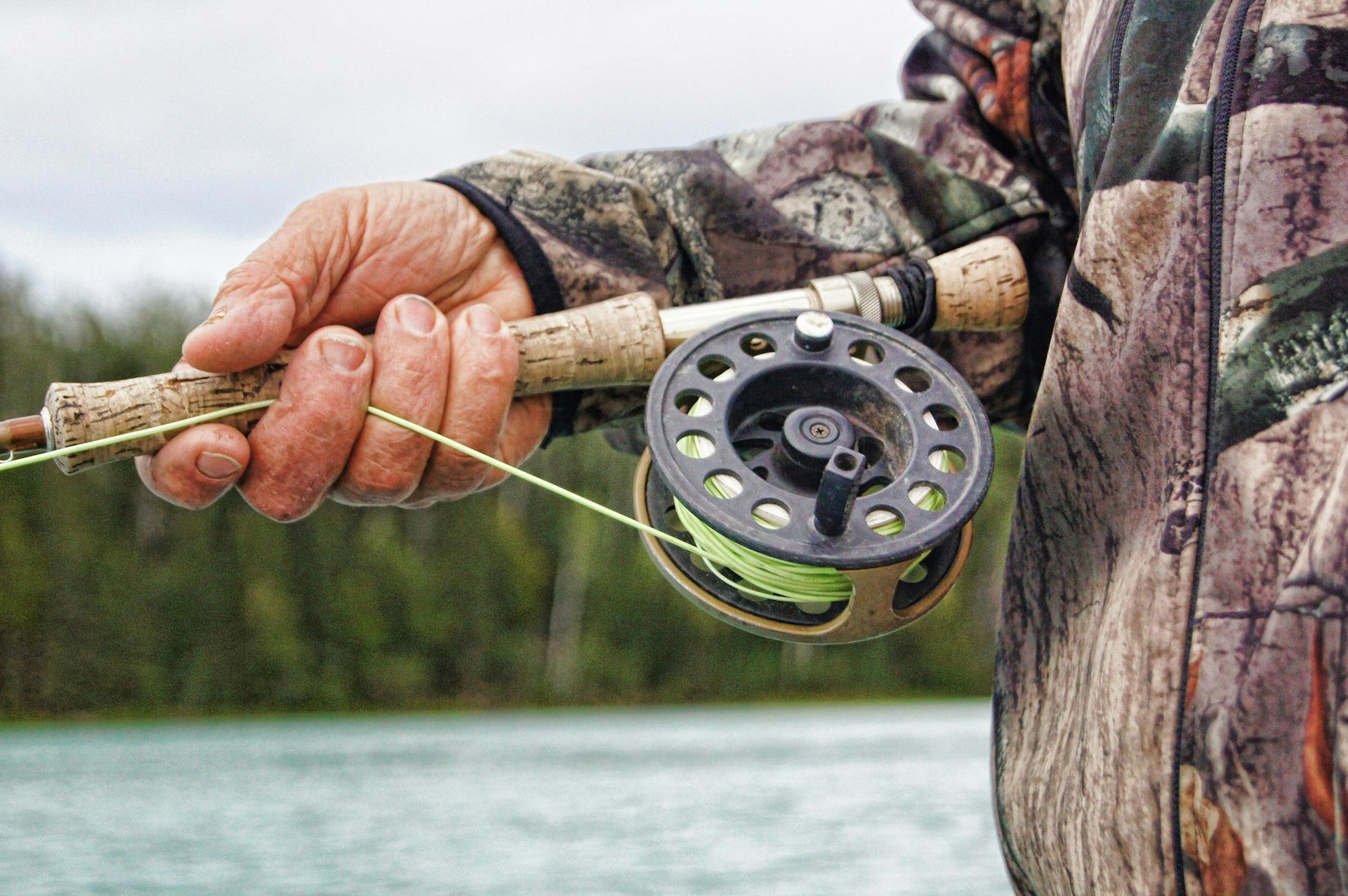
The Alaskan winter sets in with shorter days, colder air, and long stretches of darkness. It’s easy to slip into hibernation mode. Staying active and eating well during these months can make a world of difference for your energy, mood, and overall health. Here are some realistic and science-backed ways to stay moving and nourished…
The post Ways to Be Active (and Healthy!) When It’s Cold and There’s Less Daylight appeared first on Dietitians of Alaska.

When it comes to managing your weight, there’s no one-size-fits-all solution—and that’s exactly why working with a registered dietitian can be a game-changer. At Dietitians of Alaska, we believe that understanding why you’re struggling with your weight is the first and most important step toward real, lasting change. Weight issues can stem from a wide…
The post How a Dietitian Can Help You Understand the Root of Your Weight Struggles and Create a Personalized Nutrition Plan appeared first on Dietitians of Alaska.

When it comes to achieving your health and wellness goals, choosing the right diet plan can feel overwhelming. With countless fad diets and conflicting advice, it’s hard to know what’s best for you. That’s where a registered dietitian (RD) comes in. A dietitian is not only a trained expert in nutrition but also a partner…
The post Why Consulting a Registered Dietitian is Essential for Personalized Nutrition Plans appeared first on Dietitians of Alaska.

Food is a common thread for humanity. It can break barriers and connect people across all walks of life, that’s why the theme for National Nutrition Month in March this year is “Food Connects Us.” On this Line One, host Dr. Justin Clark and Dietitians of Alaska for a discussion about food and tradition, health…
The post Line One: National Nutrition Month – How Food Connects Us appeared first on Dietitians of Alaska.

What do intermittent fasting, paleo, and keto all have in common? These are fad diets that offer rapid weight loss and a magic bullet to improve chronic diseases. While they are popular, many of these diets have limited data to support their claims, and in some cases can actually be unhealthy. Join host Dr. Justin…
The post Line One: Dietitians of Alaska – Deconstructing fad diets appeared first on Dietitians of Alaska.

After bariatric surgery, Jennifer, an associate broker for a real estate company, continued to work with Staci Kloster, a registered dietitian at Dietitians of Alaska. The requirement to meet with her dietitian was annually, but Jennifer chose to go every 3 months to hold herself accountable and make sure she was hitting the goals she…
The post Jennifer B. appeared first on Dietitians of Alaska.

“I’ve struggled throughout my entire life. During my childhood, my mom would fix our plates. I would eat that, but when I was putting my dish away, I would sneak more food. I’ve tried so many diets over the years and even bought pills from watching infomercials to try to lose weight. I did lose…
The post Federica S. appeared first on Dietitians of Alaska.

December 13, 2023 There’s a lot of reasons someone might want to change their diet. From conditions like diabetes, to celiac disease, or just the desire to lose or gain weight, the endless options of diets make it difficult to know what will work, and what’s actually healthy. That’s where the help of a registered…
The post Line One: Dietitians of Alaska – Exploring Diets appeared first on Dietitians of Alaska.